



The core performance indicators of LED devices are mainly reflected in the following six aspects
1. Brightness or lumen value; 2. Light decay; 3 Failure rate; 4 light efficiency; 5 Consistency; 6 Optical distribution characteristics
2. Research on light decay generally suggests that it is not closely related to chips, but is most closely related to packaging materials and processes. The packaging materials that affect light attenuation mainly include solid crystal base adhesive, fluorescent adhesive, outer packaging adhesive, etc. The packaging processes that affect light attenuation mainly include the baking temperature and time of each process, as well as material matching. At present, after years of development and accumulation, China's LED packaging technology has a good foundation and is comparable to some foreign products in controlling light decay.
3. The failure rate and efficiency are related to chip quality, packaging auxiliary materials, production processes, design level, and management level. The main manifestations of LED failure are dead lights, excessive light attenuation, and significant wavelength or color temperature drift. According to the different application requirements of LED devices, their failure efficiency also has different requirements. For example, the LED indicator light can be used for 1000PPM (3000 hours); The LED for lighting purposes is 500PPM (3000 hours); The color display screen uses LED with a capacity of 50PPM (3000 hours). The overall level of LED failure rate in Chinese packaging enterprises needs to be improved.
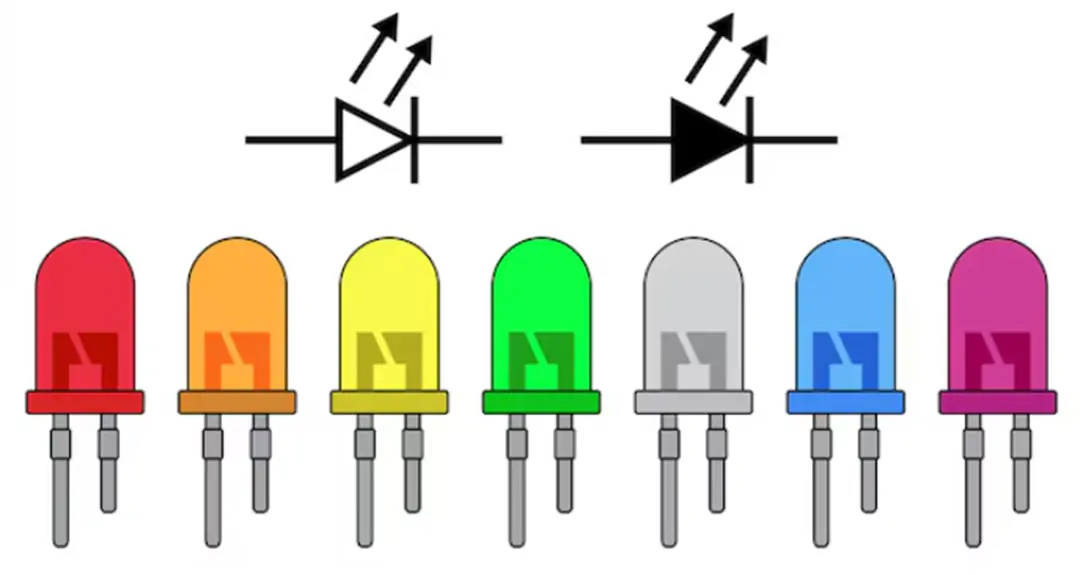
4. Light efficiency, 90% of LED light efficiency depends on the luminous efficiency of the chip. Chinese LED packaging companies have also conducted extensive research on improving the light efficiency of the packaging process. If China achieves breakthroughs and mass production in the research and development of large-sized watt level chips, it will greatly promote the improvement of the optical efficiency of power type packaged devices.
5. The consistency of LED includes wavelength consistency, brightness consistency, color temperature consistency, attenuation consistency, etc. The consistency of the first three items can be achieved through feeding process control and screening with a spectrophotometer. In terms of the first three levels, China's LED packaging technology is consistent with that of foreign countries. Angle consistency is often difficult to sort and needs to be achieved through optimized design, material mechanical precision control, and strict production process control. For example, the angle consistency control of the red, green, and blue oval LEDs used in LED full-color displays is very important, which decisively affects the color quality of LED full-color displays and has become a high-end technology for LED devices. Attenuation consistency is also related to material control and process control, including attenuation consistency of different colored LEDs and attenuation consistency of LEDs of the same color. Consistency research is an important topic in LED packaging technology. Some Chinese LED packaging companies have aligned their technology in LED consistency with international standards.
6. Optical distribution characteristics LED is a light-emitting device. For many LED applications, the light distribution of the LED is an important indicator that determines the design basis of the secondary optics of the application product and directly affects the visual effect of the LED application product.
For example, the optical requirements of LED street lights require that the primary optical design of the LED and the secondary optical design of the street light must match to achieve the best road spot and luminous efficiency.